Overview
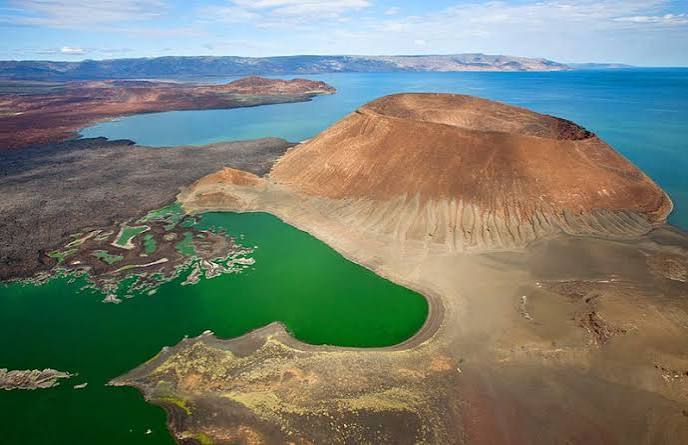
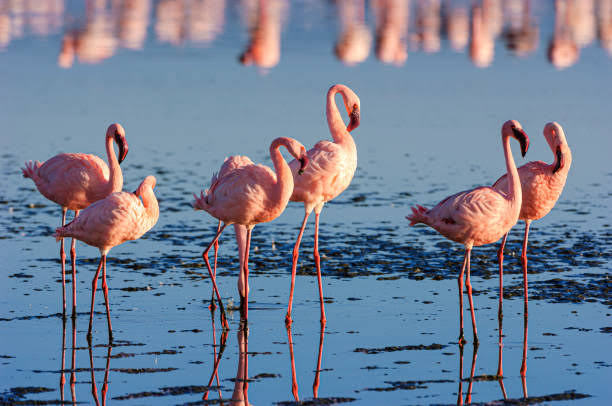
It is internationally recognised for its rich birdlife, diverse wildlife and striking landscape. Historically famous for large concentrations of lesser and greater flamingos feeding on algae and other organisms in its alkaline waters, the lake’s changing water levels have affected its salinity, food availability and flamingo numbers in recent years. The lake supports more than 400 recorded bird species, making it an important bird habitat. In addition to flamingos, visitors may see great white pelicans, cormorants, African fish eagles, herons and other waterbirds. The surrounding park extends well beyond the lake itself, encompassing grasslands, acacia woodland and rocky areas that support a wide range of mammals.
Lake Nakuru National Park is particularly important for the conservation of black and southern white rhinoceroses and is regarded as one of Kenya’s significant rhino sanctuaries. Other wildlife found in the park includes Rothschild’s giraffes, lions, leopards, waterbucks, Cape buffaloes, zebras and various antelope species. The park also offers spectacular views of the lake and the surrounding Rift Valley. Baboon Cliff and the Out of Africa viewpoint provide elevated perspectives across the lake, with the escarpments and surrounding landscapes forming a dramatic backdrop. Together, the lake, wetlands, woodland and wildlife make Lake Nakuru an important ecological and tourism destination within Kenya’s Rift Valley.
What Makes It Special?
Explain the major features, attractions, history, ecology, culture or experiences associated with this subject.
A memorable quote, interesting fact or thought-provoking statement can go here.
Things to See and Do
- Experience or activity one
- Experience or activity two
- Experience or activity three
- Experience or activity four
- Experience or activity five

When to Visit
Explain the best seasons, weather conditions, wildlife viewing periods, hiking conditions, cultural events or other relevant timing.
Getting There
Provide practical information about roads, airports, towns, transport and approximate travel considerations.
Travel Tips
- Carry appropriate clothing and footwear.
- Respect local communities and traditions.
- Follow conservation guidelines.
- Carry drinking water.
- Use qualified guides where appropriate.
Why You Should Visit
End the main article with an inspiring summary that leaves the reader wanting to experience the destination or subject.


