Overview
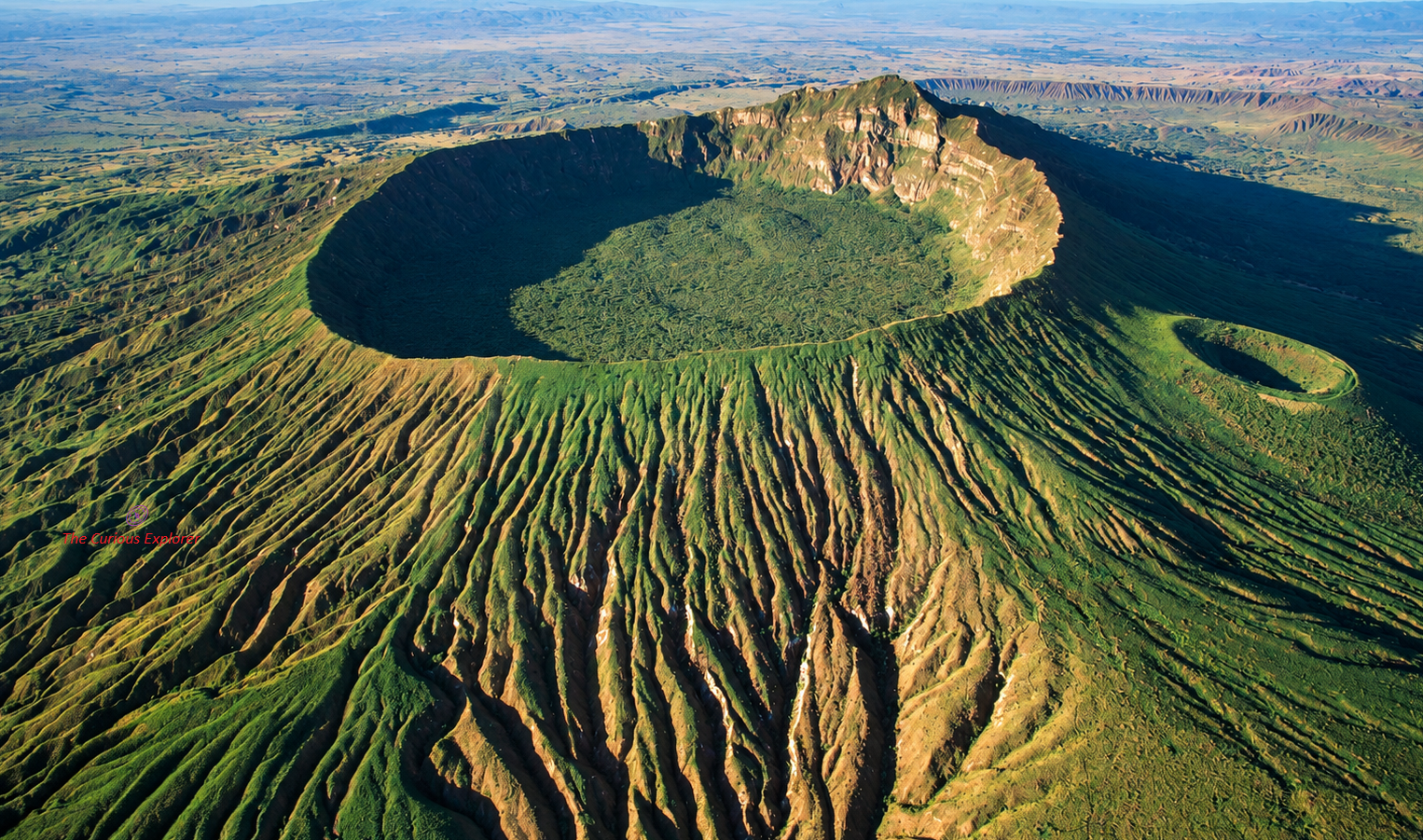
Mount Longonot is a striking, dormant stratovolcano rising 2,776 metres above Kenya's Great Rift Valley floor. Its most iconic feature is a massive, 8-kilometre-wide caldera that shelters a dense, isolated indigenous rainforest on its crater floor. A challenging 3.1-kilometre trail leads hikers up steep, dusty ridges to reach the crater rim in under two hours.
From there, a rugged 7.2-kilometre loop trail completely encircles the jagged edge, offering panoramic views of Lake Naivasha and active geothermal steam vents. The surrounding national park acts as a wildlife sanctuary for buffalos, giraffes, and zebras, making it one of East Africa's premier day-hiking destinations.
Why Visit?
Why should a curious explorer visit Mount Longonot in Kenya? This is Mount Longonot, one of Kenya's most fascinating volcanic mountains, located in the Great Rift Valley, approximately 90 kilometres northwest of Nairobi. Rising about 2,776 metres above sea level, this dormant volcano offers visitors an opportunity to explore one of the country's most spectacular geological landscapes. One of its most remarkable features is the enormous volcanic crater, measuring approximately 1.8 kilometres across. Unlike many volcanic craters that are bare and rocky, Mount Longonot has a forested crater floor, creating a beautiful contrast between the green interior and the rugged volcanic slopes.
For adventurous explorers, Mount Longonot offers one of Kenya's most exciting hiking experiences. The climb from the park entrance to the crater rim covers approximately 3.1 kilometres. Those seeking a greater challenge can continue around the entire crater rim, completing a hike of roughly 13 kilometres from the park entrance and back. The views from the summit are breathtaking. On a clear day, visitors can see Lake Naivasha, the surrounding Rift Valley escarpments and the vast landscape shaped by volcanic activity over thousands of years.
Mount Longonot is also home to wildlife, including zebras, giraffes, buffaloes and various bird species. Its vegetation, volcanic rocks and steep slopes make it an interesting destination for nature lovers, photographers and anyone curious about the geological forces that shaped East Africa.
Another reason to visit is its accessibility. Located within Mount Longonot National Park, the mountain is an excellent day-trip destination from Nairobi or Naivasha. Visitors should carry enough drinking water, wear comfortable hiking shoes and start early to avoid the intense afternoon heat. What makes Mount Longonot special is the chance to walk along the edge of a massive volcanic crater while looking down at a forest growing inside it. It is a destination where adventure, geology, wildlife and breathtaking scenery come together.
“Standing on the crater rim of Mount Longonot, overlooking the forested crater and the Great Rift Valley, is one of Kenya’s most unforgettable adventures.”
Popular Activities
- Hiking and mountain climbing
- Crater rim walking
- Wildlife viewing
- Birdwatching
- Nature photography
- Sightseeing
- Geological exploration
- Nature walks
- Landscape photography