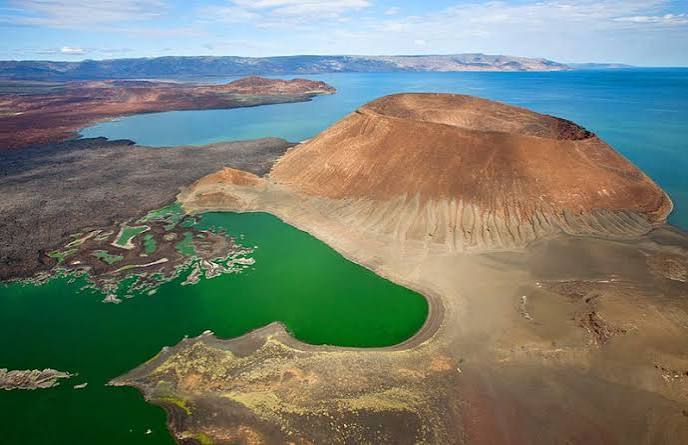
Overview
Its headwaters are found around the Mount Kenya and Aberdare ranges, and it is fed by several tributaries, including the Thika, Chania, Mathioya and Mutonga rivers. The river passes through Kenya’s central highlands and arid eastern lowlands before reaching the Tana Delta, a rich network of wetlands and coastal ecosystems. The Tana is a vital lifeline for Kenya, supporting hydropower generation, agriculture, irrigation, wildlife, fisheries and millions of people. Its upper course hosts the Seven Forks hydropower dams, while its waters also contribute significantly to Nairobi’s water supply. However, the river faces challenges including deforestation, soil erosion, siltation, flooding, land degradation and changing rainfall patterns, making conservation of its entire catchment essential for both people and nature.
What Makes It Special?
Explain the major features, attractions, history, ecology, culture or experiences associated with this subject.
A memorable quote, interesting fact or thought-provoking statement can go here.
Things to See and Do
- Experience or activity one
- Experience or activity two
- Experience or activity three
- Experience or activity four
- Experience or activity five

When to Visit
Explain the best seasons, weather conditions, wildlife viewing periods, hiking conditions, cultural events or other relevant timing.
Getting There
Provide practical information about roads, airports, towns, transport and approximate travel considerations.
Travel Tips
- Carry appropriate clothing and footwear.
- Respect local communities and traditions.
- Follow conservation guidelines.
- Carry drinking water.
- Use qualified guides where appropriate.
Why You Should Visit
End the main article with an inspiring summary that leaves the reader wanting to experience the destination or subject.


