Overview
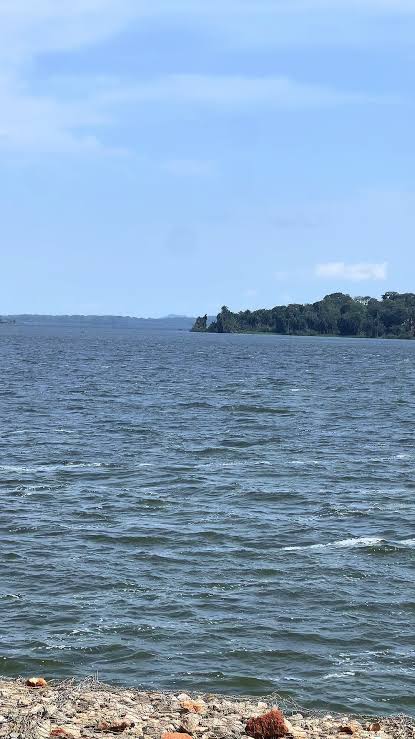
Lake Victoria is Africa's largest freshwater lake and the second-largest freshwater lake in the world by surface area, after Lake Superior in North America. It is located in East Africa and shared by three countries: Kenya, Uganda and Tanzania. Covering approximately 68,800 square kilometres, it is one of the most important freshwater ecosystems in the world.
The lake lies at an elevation of approximately 1,134 metres above sea level and has an average depth of about 40 metres, with a maximum depth of approximately 80–84 metres. It is one of the major sources of the White Nile, which flows northwards through Uganda.
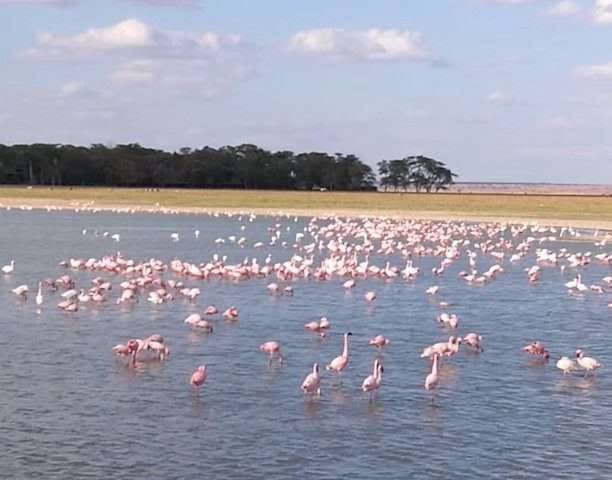
Lake Victoria is surrounded by beautiful landscapes, wetlands, fishing villages and numerous islands. Some of its notable islands include Rusinga, Mfangano and Ndere in Kenya, as well as the Ssese Islands in Uganda. The lake supports diverse wildlife, including fish, aquatic birds, reptiles and other freshwater species.
Fishing is one of the main economic activities around Lake Victoria, with Nile perch, tilapia and silver cyprinid (omena) among the commercially important fish. The lake also supports agriculture, water transport, trade and tourism, providing livelihoods for millions of people across the region.
For visitors, Lake Victoria offers a wide range of experiences, including boat cruises, island exploration, birdwatching, fishing excursions, cultural visits and scenic sunset views. Popular destinations on the Kenyan side include Kisumu, Dunga Beach, Rusinga Island, Mfangano Island and Ndere Island National Park.
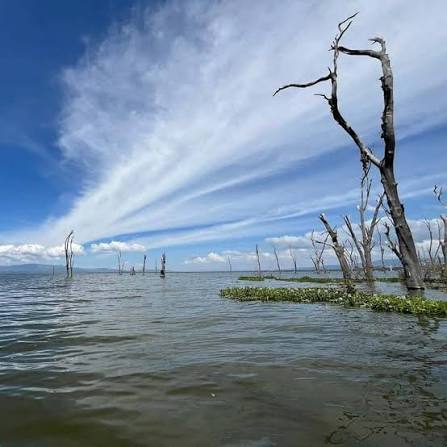
Despite its ecological and economic importance, Lake Victoria faces challenges such as water pollution, invasive water hyacinth, overfishing and the destruction of natural habitats. Conservation efforts remain essential to protecting its biodiversity and ensuring that future generations continue to benefit from its resources.
With its vast open waters, fascinating islands, rich cultural heritage and diverse wildlife, Lake Victoria remains one of East Africa's most significant natural landmarks and an important destination for nature lovers, explorers and travellers.

What Makes It Special?
Lake Victoria is Africa’s largest freshwater lake, shared by Kenya, Uganda and Tanzania, covering approximately 68,800 square kilometres. It is famous for its beautiful islands, rich biodiversity, fishing communities and cultural heritage, offering experiences such as boat rides, birdwatching, fishing and spectacular sunsets. As a major source of the White Nile and a lifeline for millions of people, the lake is an important natural treasure facing growing threats from pollution, overfishing and invasive water hyacinth.
“Three nations share its waters, millions depend on its existence, but the beauty of Lake Victoria belongs to the world.”
Things to See and Do
- Boat Cruises & Island Hopping
- Sport Fishing
- Bird Watching & Wildlife Viewing
- Nature Walks & Hiking
- Cultural & Historical Experiences

When to Visit
The best time to visit Lake Victoria is during the drier months of June to October and December to February, when conditions are generally favourable for boat rides, island exploration and birdwatching. The lake enjoys warm temperatures throughout the year, with heavier rains typically occurring from March to May and shorter rains around October to December. Early mornings and late afternoons are ideal for birdwatching, photography and enjoying beautiful sunsets. Fishing, cultural experiences and island visits are available year-round, but visitors should check weather conditions before taking boat trips because strong winds and sudden storms can make the lake dangerous.
Getting There
Lake Victoria is accessible by road and air, with Kisumu International Airport serving as a major gateway and road connections linking the region to Nairobi and other Kenyan towns. Key access towns include Kisumu, Homa Bay and Mbita, with boats providing transport to islands such as Rusinga and Mfangano. Visitors can use taxis, matatus and motorbike taxis for local transport, but should confirm boat schedules, check weather conditions and budget extra time for island transfers.
Travel Tips
- Carry appropriate clothing and footwear.
- Respect local communities and traditions.
- Follow conservation guidelines.
- Carry drinking water.
- Use qualified guides where appropriate.
Why You Should Visit
Lake Victoria is a remarkable destination where beautiful islands, rich cultures, diverse wildlife and spectacular sunsets come together to create unforgettable experiences. From exploring hidden island treasures to enjoying boat rides and discovering traditional fishing communities, every visit offers something special. Discover Lake Victoria and experience the beauty of East Africa’s largest freshwater lake while helping preserve its natural and cultural heritage for future generations.