Overview
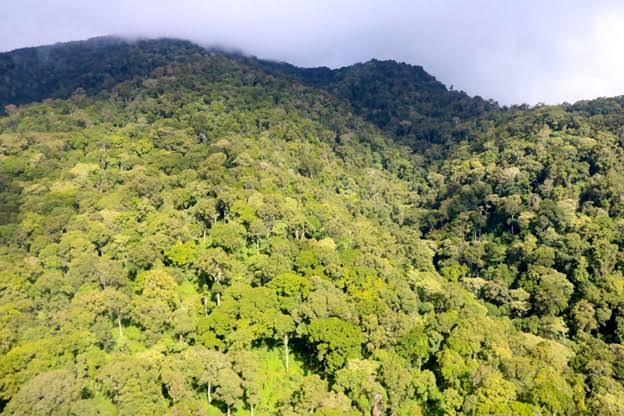
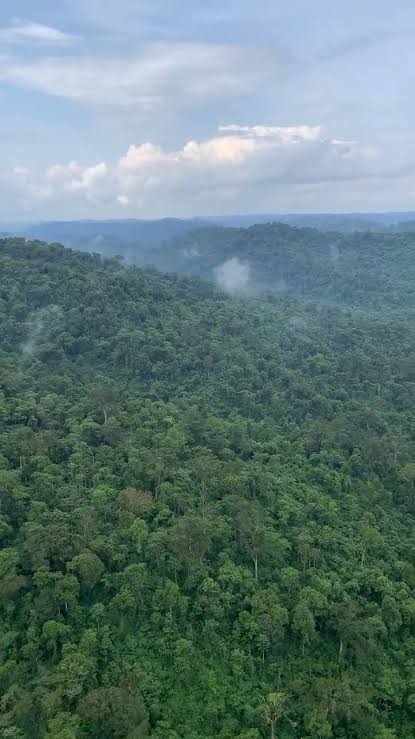
Mau Forest is one of Kenya’s largest and most important indigenous forest ecosystems, located in the Great Rift Valley region. Covering approximately 400,000 hectares, the Mau Forest Complex is considered the largest montane forest complex in East Africa and one of Kenya’s five major water towers.
The forest is a vital source of numerous rivers, including the Mara, Sondu, Njoro and Ewaso Ng’iro South rivers. These rivers support major ecosystems such as the Maasai Mara National Reserve, Lake Nakuru and Lake Victoria Basin.
Mau Forest is home to diverse wildlife, including elephants, buffaloes, antelopes, monkeys and numerous bird species. Its dense indigenous vegetation, scenic landscapes and rich biodiversity make it an important destination for nature lovers, birdwatchers and conservation enthusiasts.
Beyond its natural beauty, Mau Forest plays a crucial role in regulating rainfall, storing carbon, protecting water catchments and supporting agriculture and livelihoods across Kenya and neighbouring countries.
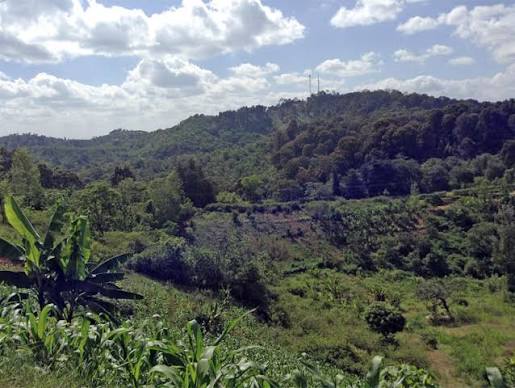
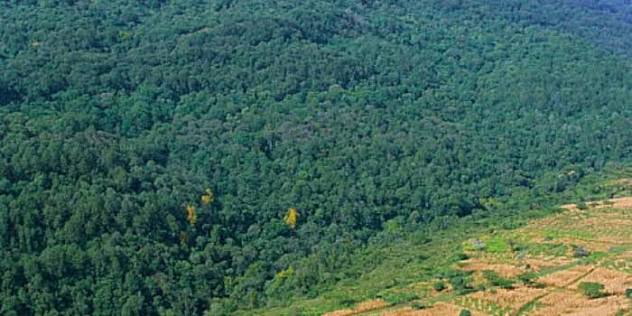
Despite its ecological significance, the forest faces threats from deforestation, illegal logging, human encroachment and land degradation. Conservation and restoration efforts remain essential to protecting this important natural heritage for future generations.
What Makes It Special?
Explain the major features, attractions, history, ecology, culture or experiences associated with this subject.
A memorable quote, interesting fact or thought-provoking statement can go here.
Things to See and Do
- Primate Watching
- Butterfly Watching
- Forext Canopy Exploration
- Indigenous Tree Identification
- Insect & Amphibians Observation
When to Visit
December to February and June to September, during the relatively drier months when forest trails are easier to explore and conditions are favourable for hiking, birdwatching, wildlife viewing and nature photography.
Getting There
Mau Forest is located in western Kenya, approximately 420 kilometres from Nairobi and 50 kilometres from Kisumu. Visitors can reach the forest by road through Nakuru, Kericho and Kisumu, with the journey from Nairobi taking about 7–9 hours. Alternatively, visitors can fly to Kisumu International Airport and drive to the forest in approximately 1–1.5 hours. The forest is accessible through designated entry points, including Buyangu and Isecheno.
Travel Tips
- Carry appropriate clothing and footwear.
- Respect local communities and traditions.
- Follow conservation guidelines.
- Carry drinking water.
- Use qualified guides where appropriate.
Why You Should Visit
Mau Forest offers a unique opportunity to explore Kenya’s only remaining tropical rainforest, with its towering indigenous trees, rich biodiversity and peaceful natural surroundings. Visitors can discover rare birds, colourful butterflies, fascinating primates, scenic waterfalls and beautiful forest trails. Whether you enjoy birdwatching, wildlife photography, hiking or simply spending time in nature, Mau Forest provides an unforgettable experience away from the busy city life.